Healthcare is a major social and political concern in the United States, especially as rural communities face hospital closures, service reductions, shortages of clinicians, and inadequate maternal care. In New York, these pressures are influencing the gubernatorial race, with candidates proposing different approaches to affordability, staffing, and access. Rural residents, older adults, and low-income families are particularly vulnerable because long travel distances and limited transportation can delay treatment and increase costs.
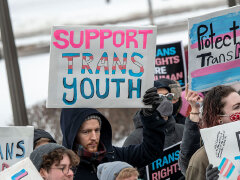
Demographic changes are intensifying demand. An aging population requires more long-term care, coordinated medical and dental services, nutritious food, social connection, and assistance with daily living. Maternal-care gaps affect rural women and newborns, while debates over gender-affirming care affect transgender youth and families who may need to cross state lines or seek remote services. Such workarounds raise questions about continuity of care, provider liability, medication safety, and conflicts between state laws.
Economic considerations include rising labor, pharmaceutical, transportation, and facility costs. Companies providing hospital support, senior dining, logistics, and pharmacy services are seeking efficiencies and contract protections against inflation. However, commercial growth does not guarantee equitable access, particularly where low patient volume makes rural facilities financially fragile. Integrating prevention, primary care, oral health, and behavioral and social services could reduce emergency use and lost productivity.
Political disputes increasingly shape medical decisions, including transgender treatment, midwifery regulation, and medical aid in dying. These issues involve federalism, professional autonomy, civil rights, and differing views of patient safety. The contrasting Nebraska rules on home births illustrate regulatory inconsistency.
Military considerations are indirect but relevant: sports medicine controversies involving an NFL quarterback highlight the importance of independent medical judgment, evacuation planning, and safety protocols for high-performance personnel. National security also depends on resilient healthcare infrastructure, reliable supply chains, pharmaceutical access, emergency preparedness, and a workforce capable of responding to pandemics, disasters, and mass-casualty events.
 RSS
 Twitter