The Netherlands is experiencing intertwined demographic, economic, political, social, geographic, and security pressures. An aging population is raising healthcare demand, labor costs, and insurance premiums, while also intensifying concerns about workforce shortages and public-sector affordability. Measures such as allowing embryo research address hereditary disease and infertility but expose ethical divisions, particularly between secular and religious or conservative parties.
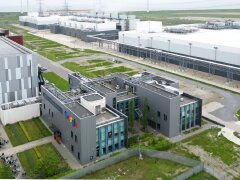
Economic strain is visible across major sectors. KLM’s planned workforce reduction reflects high fuel costs, geopolitical instability, and intense international competition. Audax’s creditor protection highlights vulnerability among traditional retailers, while the Verwey-Jonker Institute’s financial crisis shows how budget cuts and artificial intelligence are disrupting research and social-policy capacity. Data centers consume a growing share of electricity, concentrating economic activity but increasing pressure on the grid, energy prices, land use, and climate goals. As Europe’s third-largest data-center electricity user, the Netherlands faces strategic questions about whether digital infrastructure strengthens national competitiveness enough to justify its resource demands.
Political stability is also under pressure. Coalition disputes over taxation have weakened Prime Minister Jetten’s cabinet, potentially complicating decisions on energy, healthcare, migration, and defense. Public safety concerns include drug networks, shootings, and money laundering, particularly in Rotterdam, an internationally important port vulnerable to organized-crime infiltration. World War II explosives found at Eindhoven Airport illustrate continuing risks from military history, though without disruption.
The country’s geography amplifies environmental and infrastructure challenges. Coastal storms, flooding risks, fog, freezing weather, and strong currents affect transport and public safety, as seen in the Maas collision and the missing kite surfer. Tile removal in The Hague reflects efforts to improve drainage, reduce urban heat, and expand green space. These local adaptations complement broader climate resilience efforts.
Social policy remains focused on prevention and vulnerable groups, including smoke-free areas for children and investigations into accidental or violent deaths. Together, these developments show a densely populated, highly connected country balancing prosperity and innovation against demographic aging, ecological exposure, political fragmentation, and internal-security threats.


 RSS