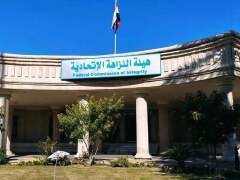
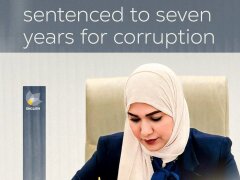
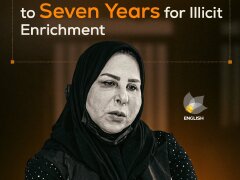
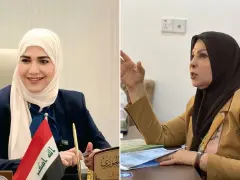
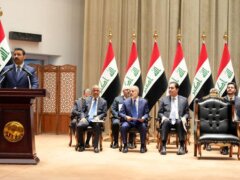
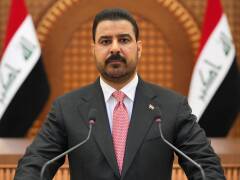
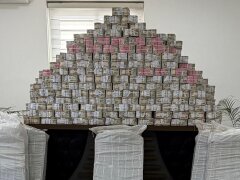
Iraq’s anti-corruption campaign reflects efforts to rebuild public trust and strengthen state institutions after years of conflict, patronage, and weak oversight. Cases involving MPs, senior traffic officers, health officials, banks, and concealed property indicate that corruption affects both elected bodies and the civil service. Recovering millions of dollars and imposing prison terms may deter abuses, but selective enforcement, political protection, and inconsistent judicial independence could limit credibility. The prominence of female MPs among high-profile convictions may also generate debate about gender, political targeting, and equal application of the law.
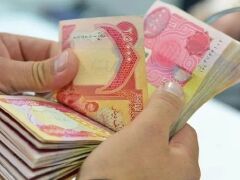
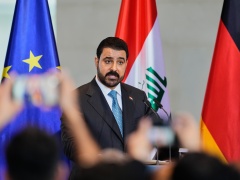
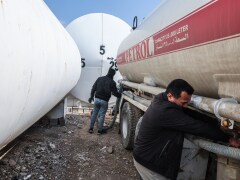
Demographically, Iraq has a young and rapidly growing population facing unemployment, uneven public services, and limited opportunities outside the oil sector. Corruption and currency depreciation disproportionately burden poorer households by reducing purchasing power and increasing the cost of imports. The dinar devaluation, linked to oil disruptions and regional tensions, could intensify inflation and public dissatisfaction, while investment and Gulf cooperation may support diversification if governance improves.
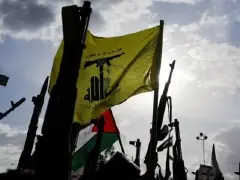
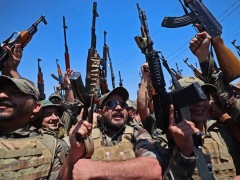
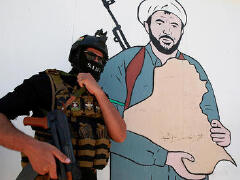
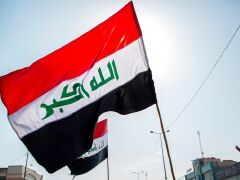
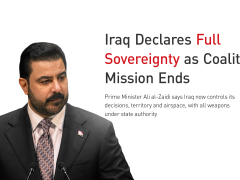
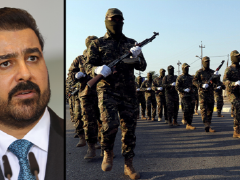
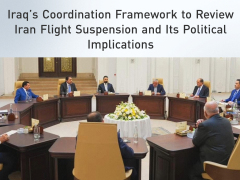
Politically, Baghdad is attempting to demonstrate sovereignty by insisting that decisions on war and peace, weapons, and security belong exclusively to the state. The proposed 2027 deadline for Iran-aligned militias is a major test. Integrating fighters into official institutions could reduce conflict, but merely rebranding armed groups would preserve parallel authority and undermine democratic accountability. Militia resistance, including provocative actions by leaders, highlights the limits of central control.
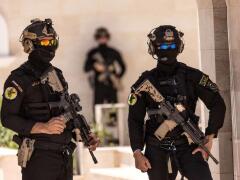
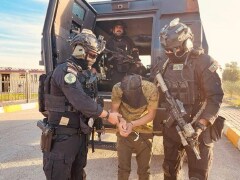
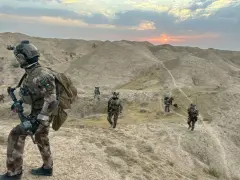
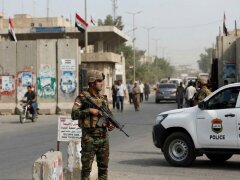
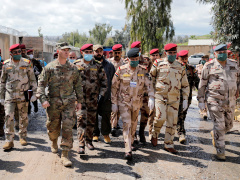
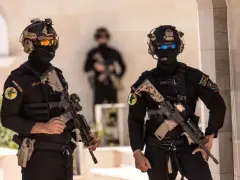
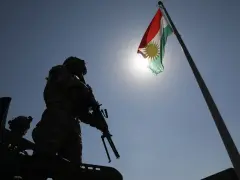
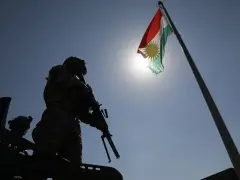
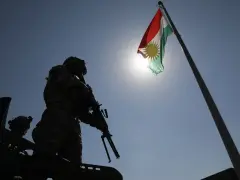
Militarily and geographically, Iraq remains vulnerable because its borders, oil infrastructure, and strategically located provinces such as Kirkuk can facilitate militant activity and smuggling. ISIS has lost territorial control but retains clandestine networks capable of attacking security forces and civilians. Kidnappings and weapons seizures demonstrate continuing urban threats.
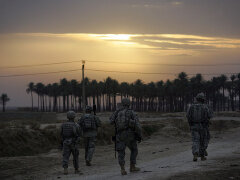
US assistance in air defense, intelligence, and training remains important after any troop withdrawal. International anti-corruption agreements and investment can strengthen Iraq, but national security ultimately depends on professional institutions, accountable security forces, and a credible monopoly on armed force.
 Twitter
 RSS
RSS
 YouTube
 Telegram
 Facebook