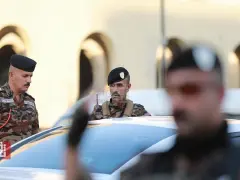
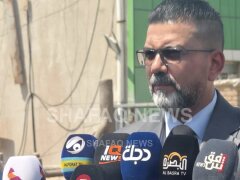
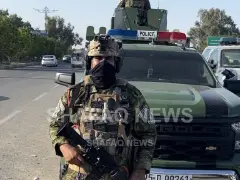
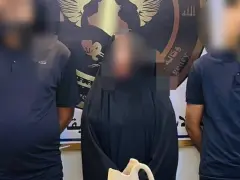
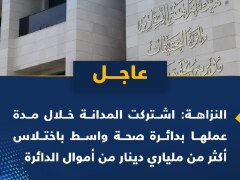
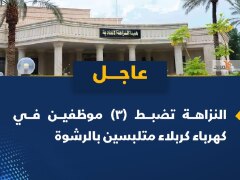
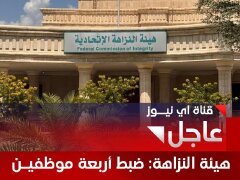
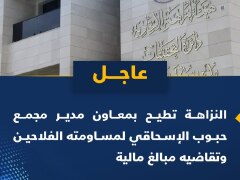
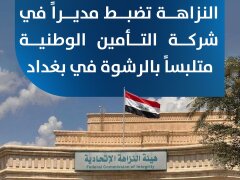
The summary reflects Iraq’s continuing struggle with corruption, weak institutional controls, and militant and organized criminal networks. Arrests involve officials across defense, police, industry, electricity, municipalities, courts, grain storage, traffic administration, and investment agencies, indicating that bribery and embezzlement affect both central and provincial government services. The alleged diversion of traffic fines, grain revenues, livestock-market income, and infrastructure funds directly reduces resources available for public works and essential services, including electricity and sanitation.
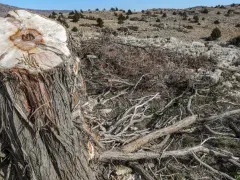
Geographically, cases span Baghdad, Basra, Dhi Qar, Kirkuk, Saladin, Babil, Wasit, and the Kurdistan Region. This breadth suggests that governance and enforcement challenges are national rather than confined to one area. Cross-border recovery operations involving the UAE and Lebanon demonstrate Iraq’s dependence on international legal cooperation to pursue fugitives and recover stolen assets. Antiquities trafficking and illegal logging highlight additional pressures on Iraq’s cultural heritage and natural resources.
Demographically and socially, corruption can deepen public frustration, inequality, and distrust of government, particularly where citizens must pay bribes to obtain permits, business services, or routine administrative action. It may also disadvantage poorer households and legitimate businesses while benefiting politically connected actors. The involvement of senior officers and prominent officials suggests that patronage networks may reach high levels of administration.
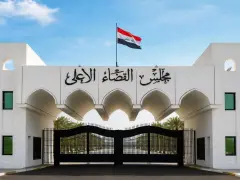
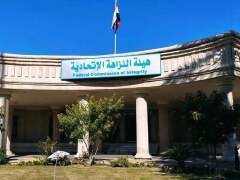
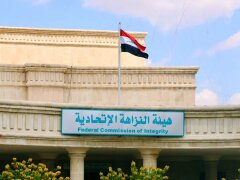
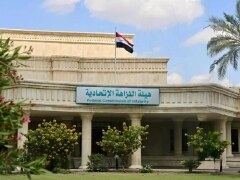
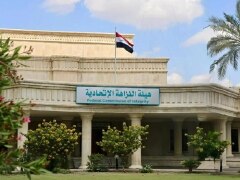
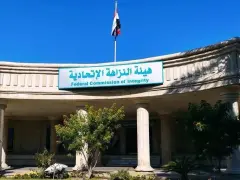
Politically, the “Dawn Crackdown” and related Integrity Commission operations allow authorities to demonstrate accountability, but sustained credibility will depend on impartial prosecutions, transparent court proceedings, and recovery of assets rather than selective arrests. Extensive corruption also creates opportunities for foreign influence and political competition.
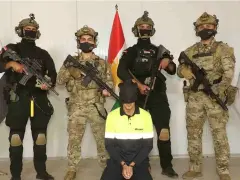
From a security perspective, money laundering, illicit wealth, and fraud can finance armed groups and undermine state capacity. Arrests of suspected ISIS members in Sulaymaniyah show that residual extremist networks remain active, especially across Iraq’s diverse and historically contested regions. Protecting borders, financial systems, heritage sites, forests, and public institutions therefore remains central to Iraq’s national security.
 RSS
RSS
 Twitter
 Telegram